By Fenella Alder Winslow · Publisher: Life Portrait Room Observations
A suite description can make a room feel familiar before you arrive. Portraits, layered fabrics and a generous sitting space create an inviting picture at Life Portrait. Yet atmosphere cannot tell you whether two guests can follow different evening routines. The practical task is to connect the words and photographs with the way you expect to use the room.
Layout beyond the photograph
Start with the phrase separate sitting area. It may describe a space within the bedroom or a room divided by a door; the wording alone does not settle that question. Ask for the layout of the category you intend to book.
Think through an ordinary evening rather than an exceptional one. One guest may want to read while another sleeps. A door, the position of a lamp and the location of the bathroom can matter more than an additional chair. Confirm which details apply to your booking and which are examples.
Questions worth asking together
- Does the sitting space have a door separating it from the bed?
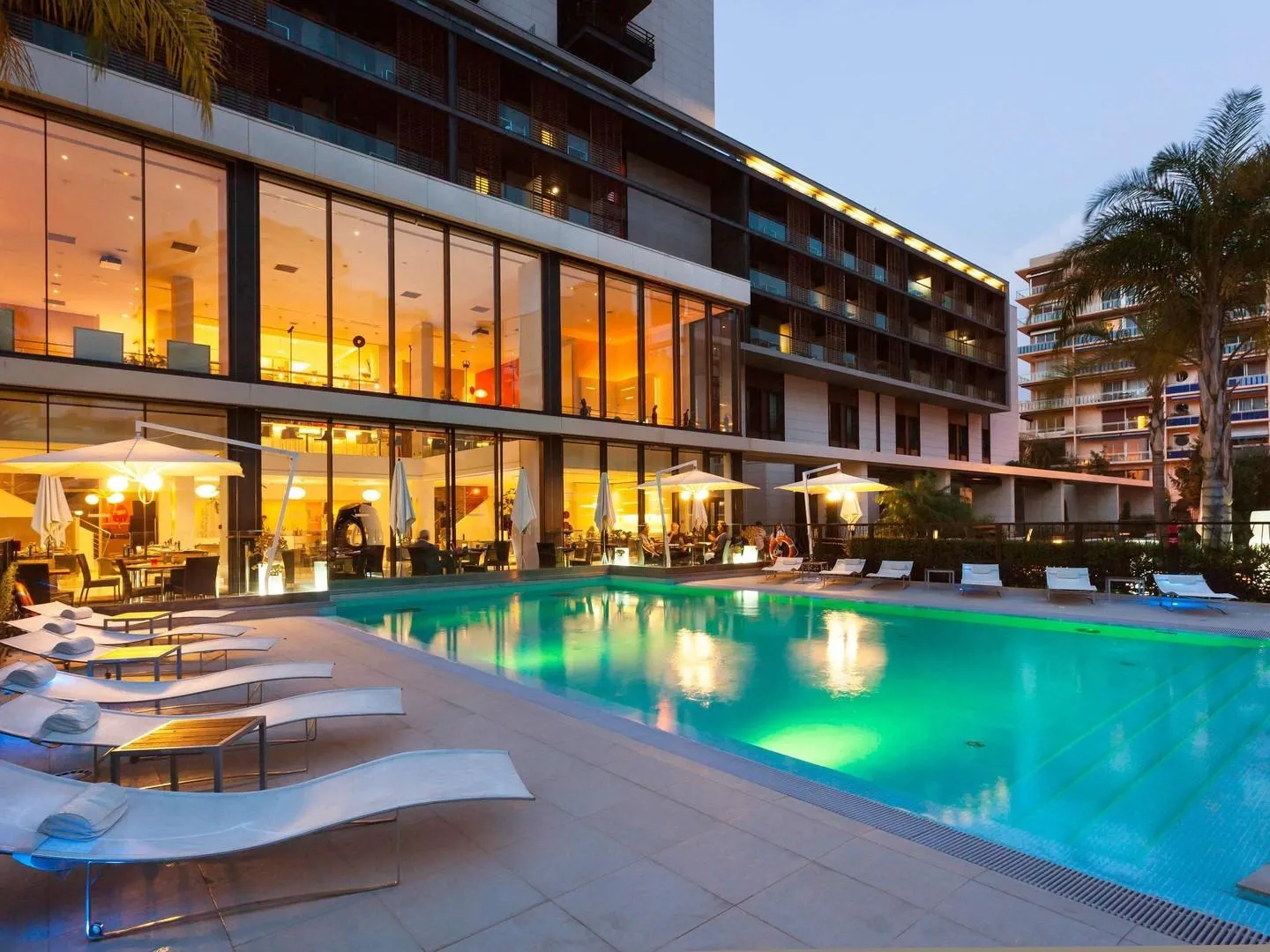
- Which room category is shown in the photograph?
- Can the requested arrangement be confirmed before arrival?
Light and room position
A river view tells you something about direction, but less about privacy or the amount of daylight. Ask how the view is described for your category and whether it is seen from the main window or another part of the room. A partial view may still please you. The useful distinction is between what you value and what the booking actually includes.
Reading light deserves its own question in a room furnished for atmosphere. A warm glow can look lovely while leaving small print difficult to follow. Ask about lighting beside the seat you expect to use, and whether it can be controlled separately. For an autumn 2026 stay, this practical detail may shape more of the evening than the daylight shown in a photograph.
Turn preferences into a short request
- Choose the room detail that matters most to your rest.
- Ask whether it is a confirmed feature or a preference request.
- Keep the written answer with the booking category and dates.
Comparing the details
Read a suite description in two passes: first for the setting, then for the details that change your decision. This prevents decorative language from doing the work of a floor plan. Compare like with like, using the same dates and occupancy. If two categories differ mainly in their view, decide whether that difference deserves more of your travel budget.
| Wording | Question to ask |
|---|---|
| Separate sitting area | Is there a door between sitting and sleeping spaces? |
| River view | Where is the view visible and how is it defined? |
| Personal hosting | Which arrangements apply to this room booking? |
Room position can also matter when live performances are part of a hotel’s evening character. Ask about the relationship between your room and public spaces without expecting a guarantee of silence. Explain your sleep preferences plainly. The evening interval article considers how guests can enjoy different activities and still protect a shared plan.
Keep arrival arrangements separate from room features. An attractive suite does not establish when it will be ready, or what happens to luggage beforehand. The arrival guide covers those questions. Treat each answer as a small piece of the stay rather than allowing one generous description to stand for every service you might need.
Once the important questions are answered, leave room for personal taste. You may prefer the portraits and fabrics of one room to a larger but less appealing space. That is a reasonable choice when you understand the tradeoff. The point of checking details is to make a preference informed, not to turn every booking into a search for the longest feature list.